Column · @personalmedicalalarmexpert
How a Personal Medical Alarm Can Support Independent Living
Most of us want to stay in our own homes as we get older. That familiar kitchen, the garden we planted years ago, the neighbours who wave every morning - these things matter. But the worry that something could go wrong while no one is around is real. A fall in the bathroom, a sudden dizzy spell, or even just the fear of being stuck after a minor accident can chip away at that independence. This is where a personal medical alarm comes into the picture, not as a gadget but as a practical tool that lets older adults and their families breathe a little easier.
I have seen this shift happen with my own parents. My mother, who is 78 and still lives alone, used to brush off the idea of any kind of alert system. She said it would make her feel like a patient, not a person. Then a friend of hers tripped on a loose rug and lay on the floor for six hours before anyone found her. That story changed my mother’s mind fast. She got a small device she wears on a lanyard around her neck, and now she goes about her day without that knot of worry in her chest. That is the real value of a personal medical alarm - it is not about age or frailty, it is about staying in control.
What a Personal Medical Alarm Actually Does
At its simplest level, a personal medical alarm is a button you press when you need help. But modern devices have moved well beyond a basic pendant. They now include features like fall detection, which automatically triggers an alert if the device senses a sudden impact or change in position. GPS tracking is another common feature, especially useful if the person wanders or gets disoriented outside the home. Two-way voice communication means the person speaking to the monitoring centre can hear your voice and you can hear theirs, which cuts down on false alarms and keeps the conversation human.
There is a balance to strike here. Some older adults feel that wearing a device labels them as vulnerable. Others worry about privacy or about burdening family members with constant alerts. These concerns are valid, and any good system should respect them. The key is choosing a device that fits the person’s lifestyle, not the other way around. For someone who is still active and goes out regularly, a waterproof pendant with GPS might be the right fit. For someone who mostly stays home and has a history of falls, a fall detection pendant that works through walls and floors might be better.
Fall Detection and the Real World
Falls are the most common reason older adults end up in hospital, but the statistics only tell part of the story. After a fall, the physical injury is one thing, but the emotional aftermath can be just as damaging. Fear of falling again often leads people to limit their movement, which then weakens muscles and increases the actual risk of another fall. It is a vicious cycle that a personal medical alarm can help break. When you know that help is a button press away, or even that the device can detect a fall automatically, you feel safer walking to the mailbox or carrying groceries up the stairs.

I remember a case from a few years ago involving a retired farmer in his late 80s who lived alone on the outskirts of Christchurch. He had a stroke one afternoon while out in his shed. His pendant detected the fall and sent an alert. Paramedics arrived within twenty minutes. He told me later that without that device, he would have lain there for hours, possibly days. That story sticks with me because it shows that a personal medical alarm is not just about calling for help after a fall - it is about getting help fast enough to make a difference in the outcome.
Family Monitoring and Peace of Mind
Some systems now include a family monitoring component, where designated relatives or friends can check in remotely or receive alerts if something happens. This can be a double-edged sword. On one hand, it reassures a daughter living in another city that her father is okay. On the other hand, it can feel intrusive if the older person feels watched. The best approach is to treat this as a shared decision, not a surveillance setup. The older adult should control who gets notified and when. They should be able to turn off notifications during certain hours if they want privacy. Trust is the foundation of any care arrangement, and technology should support that trust, not undermine it.
One practical tip I often share is to test the system regularly. Press the button once a week, even if nothing is wrong. That way the wearer stays familiar with how the device works, and the family gets a quiet reassurance that the system is functioning. It also helps catch issues like dead batteries or weak signal zones before they become real problems.
Connect with us on YouTube.
Choosing the Right Fit
Not all personal medical alarms are the same, and the right choice depends on the individual’s specific situation. Here are a few things to consider when looking at options:

- Range and coverage: Does the device work throughout the house and garden, or only in certain rooms? Some systems use cellular networks for wide coverage, while others rely on a base unit with limited range.
- Battery life and charging: How often does the pendant need charging or battery replacement? A device that dies unnoticed is worse than no device at all.
- Water resistance: Can the pendant be worn in the shower or bath? Many falls happen in wet areas, so a waterproof device is a significant advantage.
- Response time and monitoring centre quality: Who answers when the button is pressed? Is the centre staffed by trained operators who can stay on the line until help arrives?
- Cost and contract terms: Some systems require a long-term contract, while others offer month-to-month plans. Make sure you understand the terms before committing.
These factors are worth discussing with the person who will use the device. Their comfort and willingness to wear it consistently is more important than any technical specification. A device that sits in a drawer does no one any good.
Beyond the Device: Building a Safer Home
A personal medical alarm works best when it is part of a broader approach to home safety. That means looking at the environment where the person lives. Are there loose rugs that could trip someone up? Is the lighting adequate in hallways and stairwells? Are handrails installed where they are needed? Simple changes like these can prevent many accidents before they happen. The alarm is the backup, not the first line of defence.
I once visited an elderly couple who had just set up their first alert system. The wife showed me proudly how the pendant worked, then pointed to a pile of clutter near the front door. I suggested they clear that area to reduce the risk of tripping. She laughed and said she had been meaning to do that for months. Sometimes it takes one change to prompt another. The device is a catalyst, not a cure.
Looking Ahead
The technology in these devices will keep improving. Longer battery life, better sensors, and more intuitive interfaces are all on the horizon. But the core principle will stay the same: giving people the confidence to live on their own terms for as long as they can. That is a goal worth pursuing, not just for seniors but for anyone who values independence.
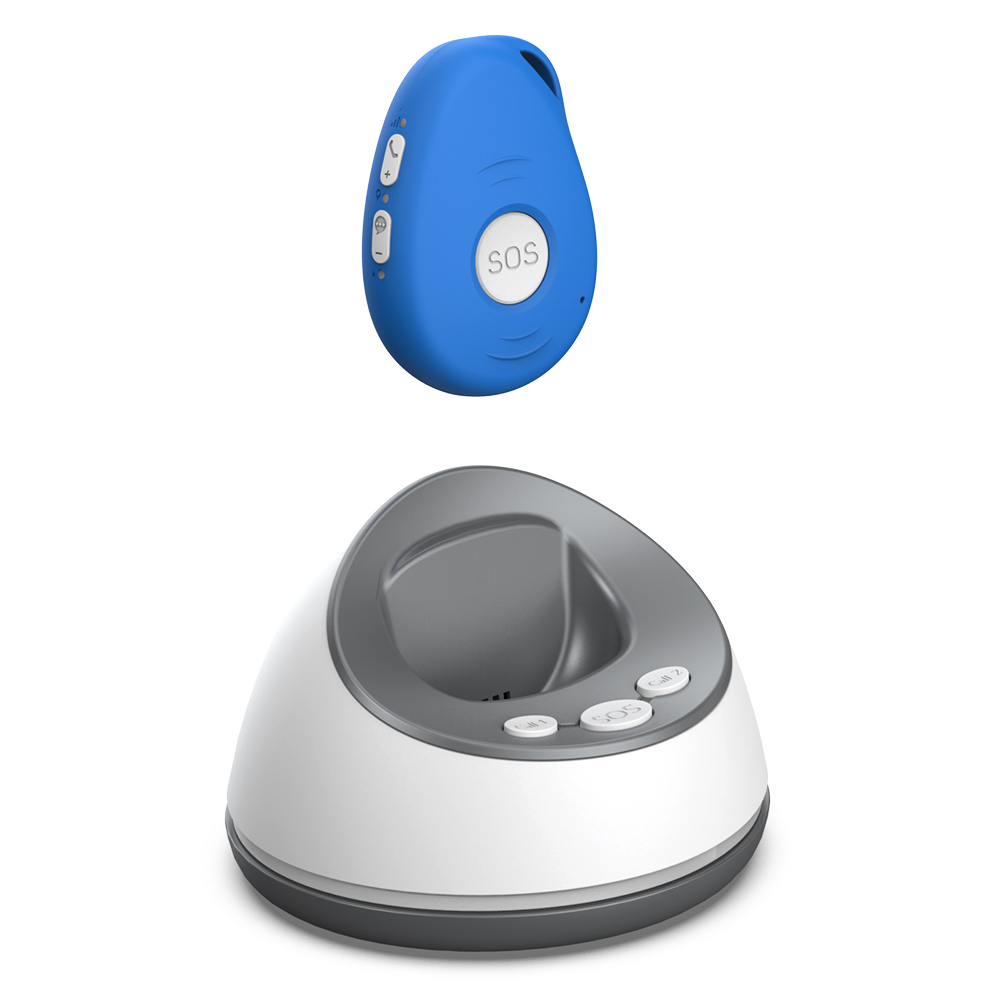
Familyr provides personal medical alarms for seniors in New Zealand, offering SOS, GPS, fall detection, and family-monitored two-way calling from their location at 14 Grand View Road, Remuera, Auckland 1050, New Zealand, reachable at +64 9 872 0345. They focus on helping older adults stay safe and connected in their own homes.